The Concept of Luck in Gambling
Luck has long been a pivotal concept in the world of gambling, often seen as a determining factor that can make or break a player’s experience. It raises the question of whether success in games of chance is solely influenced by random outcomes or if there’s more to the story. For many gamblers, the belief in luck is intertwined with the thrill of the game, creating an emotional connection that can enhance or detract from the experience. Some players even carry good luck charms, wear specific colors, or follow particular rituals before placing their bets, emphasizing the psychological role luck plays in their decisions, and considering options like $10 neosurf deposit casino can also influence their strategies.
In the realm of gambling, luck can be viewed as a double-edged sword. On one hand, it can lead to unexpected victories and life-changing wins. On the other hand, reliance on luck can result in significant losses, particularly for those who neglect the strategic elements of gambling. Understanding the balance between luck and skill is crucial, as many seasoned players argue that while luck is a factor, it should not entirely define one’s approach to gambling. This raises the importance of awareness and strategy in games that may seem primarily luck-based.
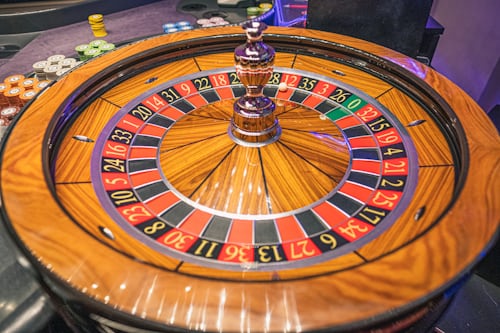
Furthermore, discussions about luck often intersect with the concepts of probability and odds, which are fundamental to understanding gambling outcomes. For instance, while the spin of a roulette wheel is purely random, the likelihood of certain outcomes can be calculated. This understanding can empower players to make informed decisions, blending the role of luck with strategic thinking. As players navigate through various gambling opportunities, recognizing the interplay between luck and skill may enhance their overall engagement and success.
The Role of Skill in Gambling
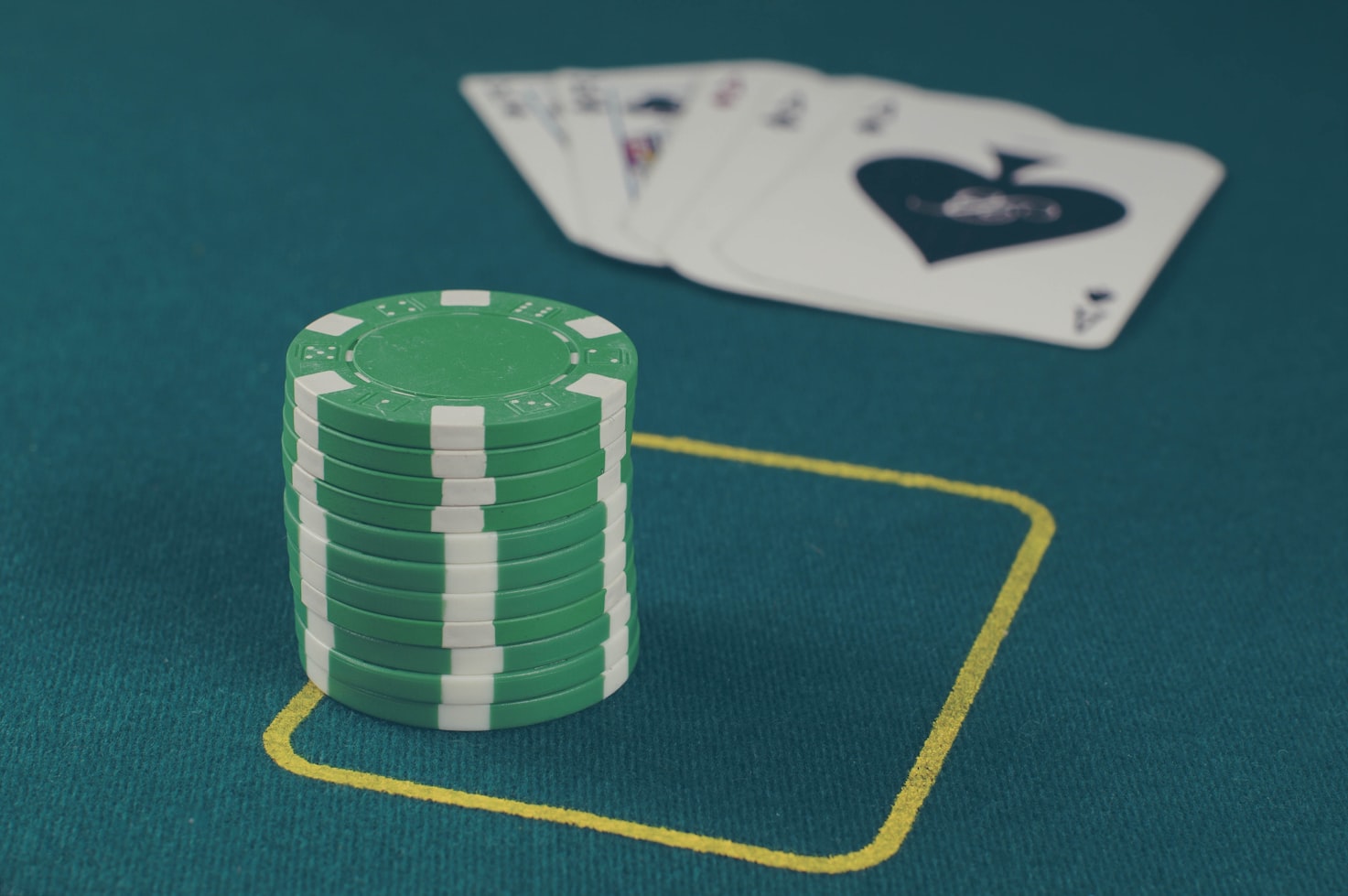
Contrary to the notion that luck reigns supreme in gambling, skill undeniably plays a crucial role in many games. For example, in poker, players often rely heavily on their knowledge of the game, psychological prowess, and strategic thinking to outsmart their opponents. The ability to read body language, predict betting patterns, and employ various strategies can significantly influence the outcome of each hand. This highlights the fact that while luck may dictate the cards one is dealt, skill can determine how well a player navigates through each round.
Moreover, in games such as blackjack, players who understand the basic strategy and card counting techniques can significantly sway the odds in their favor. Knowledge of optimal moves based on statistical probabilities can tip the balance away from luck and towards skill. This suggests that serious gamblers should invest time in learning and mastering the skills related to the games they choose to play. As a result, they can enhance their chances of success while still acknowledging that luck will remain a factor.
It’s essential to recognize that the landscape of gambling includes both elements of chance and skill. Many players find that developing their skills adds to the excitement and satisfaction of gambling. They encounter a blend of risk and reward, where improvement and strategy can lead to a more rewarding experience. Therefore, while luck can initiate success, skill often sustains it, creating a more holistic gambling experience.
The Psychological Impact of Luck
The psychological aspects of luck in gambling are profound, affecting players‘ mindsets and decision-making processes. For instance, the concept of “gamblers’ fallacy” illustrates how some players mistakenly believe that past outcomes influence future results. This can lead them to make irrational decisions based on their perceived notions of luck rather than cold, hard statistics. Recognizing these biases is important for maintaining a rational approach to gambling.
Moreover, the thrill associated with luck can elicit strong emotional responses, including joy, frustration, and even addiction. The rush of winning a large sum due to sheer luck can create an addictive cycle, encouraging players to engage in riskier behavior in hopes of replicating that fortune. Understanding the psychological ramifications of chasing luck can motivate players to approach gambling more responsibly and with a clearer mindset.
Additionally, many players develop personal belief systems surrounding luck, often influenced by cultural perceptions or personal experiences. This can create a unique relationship with gambling, where luck serves as a comforting or motivating factor in their gameplay. By unpacking these psychological elements, players can gain insights into their behaviors, adjust their approaches, and ultimately find a balance between chasing luck and exercising responsible gambling practices.
Luck and the House Edge
Every gambling game has a built-in house edge, which is the statistical advantage that casinos hold over players. This reality emphasizes that while luck can lead to momentary wins, the long-term success of players is often mitigated by this prevailing edge. For example, slot machines may deliver immediate payouts due to luck, but over time, the odds are tilted in favor of the casino. Therefore, players need to recognize that while luck can yield short-term gains, the house edge will ultimately dictate the average return over time.
Moreover, understanding the concept of variance is crucial for players who may be relying heavily on luck. Variance refers to the degree to which outcomes deviate from the expected result, and in gambling, this can lead to both winning and losing streaks. For those who attribute their success solely to luck, it can be easy to overlook the implications of variance, leading to misunderstandings about the realities of gambling. Educating oneself about these factors can foster a more balanced approach to gambling, encouraging a blend of luck and strategy.
Players can mitigate the effects of the house edge by choosing games with lower house advantages and employing sound strategies. While luck may have a role in individual hands or spins, understanding the impact of the house edge and variance equips players with the knowledge to make more informed choices. This insight can enhance their overall gambling experience and potentially improve their chances of leaving the casino with profits rather than losses.
Conclusion: Finding Balance in Gambling
In conclusion, the dynamic interplay between luck and skill in gambling creates a rich tapestry of experiences for players. While luck can lead to exhilarating wins, strategic thinking and skill can provide a more sustainable path to success. By recognizing the importance of both elements, gamblers can cultivate a more responsible and enjoyable gaming experience.
Furthermore, understanding the psychological impacts of luck, alongside awareness of the house edge, can empower players to approach gambling with clarity and confidence. Striking a balance between embracing luck and honing one’s skills can lead to a more fulfilling and potentially profitable gambling journey.
For anyone looking to enhance their understanding of gambling dynamics, it’s crucial to seek resources that offer insights into both the motivational aspects of luck and the practical strategies of skill. Engaging with informative platforms can guide players to make educated decisions while ultimately enhancing their gambling experiences.